Scale Your MLM Network with Matrix Compensation Software
Launch a fixed-width MLM structure with spillover placement, transparent payout logic, and level-based rewards designed for predictable growth and stronger distributor retention.

Matrix MLM Overview
How a Forced Matrix Compensation Model Works
A matrix model creates controlled expansion with fixed width and depth, helping teams grow in a structured and trackable way.
Structured Matrix Compensation System
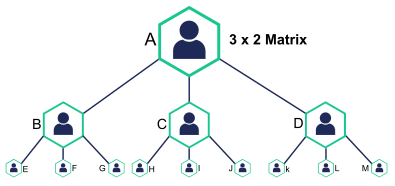
Matrix plans use predefined width and depth, so each distributor can have a limited number of direct positions and level expansion follows clear rules. Common matrix formats include 2x2, 3x9, 4x7, and 5x7 depending on product, payout design, and long-term scalability goals.
Manage Your Matrix MLM Engine with Confidence
Codetrex Matrix software simplifies complex board movement, spillover logic, and commission tracking. You can manage distributors, payouts, rank progression, and compliance workflows from one centralized dashboard.
Level-Based Matrix Earnings
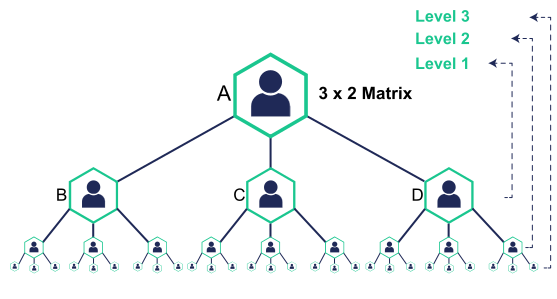
Earnings typically come from level commissions, board completion bonuses, and advancement rewards as matrix positions fill systematically.
Matrix Breakthrough
How Matrix MLM Distribution Works
- The matrix model places distributors in a fixed-width and depth structure, creating a clear and organized network.
- Members earn commissions from their personal sales as well as from the sales of downline distributors within the matrix.
- As new recruits are added, the matrix fills level by level, unlocking bonuses and advancement opportunities.
- This structure promotes teamwork, strategic recruitment, and balanced growth, ensuring that participants can maximize income while maintaining a manageable and scalable network
Spillover Preferences, Rules, and Practical Scenarios Explained Clearly
- Definition of spillover - extra recruits from uplines are automatically placed in downline positions.
- Placement guidelines - ensures balanced network growth and fair distribution of members.
- Upline benefits - uplines may earn partial commissions even on spillover recruits.
- Downline opportunities - new members gain immediate support from existing team structure.
- Scenario examples - illustrate how spillover affects commissions, rank advancement, and team dynamics.


Pros of Matrix Compensation
The matrix compensation model offers a structured and organized network, making it easier to manage downlines and track commissions. It promotes balanced growth, encourages teamwork, and provides clear earning opportunities.
- Structured growth - fixed width and depth ensure manageable expansion.
- Balanced earnings - prevents overloading of one leg and supports fair distribution of commissions.
- Team collaboration - encourages members to work together to fill matrix levels efficiently.
- Predictable progression - clear rules make recruitment and scaling easier to plan.
Cons of Matrix Compensation
Despite its advantages, the matrix model can limit earning potential if positions fill slowly. Success depends on consistent recruitment, and members may need to wait for positions to open up.
- Limited width/depth - earnings can be capped when matrix positions are full.
- Recruitment dependency - continuous member addition is needed for momentum.
- Waiting periods - bonuses and advancement can take time as levels fill.
- Management complexity - tracking multiple boards and commissions may require software support.
Common Scenarios in Matrix MLM
Alignment of Sponsorship and Parental
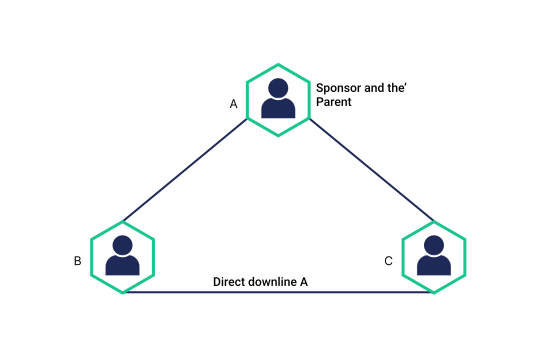
In this scenario, when Distributor X recruits A, and A later places B on the left side, B becomes A's direct downline. If A then introduces C, C is placed into the next available position on A's right side according to matrix placement rules.
Split Upline Support
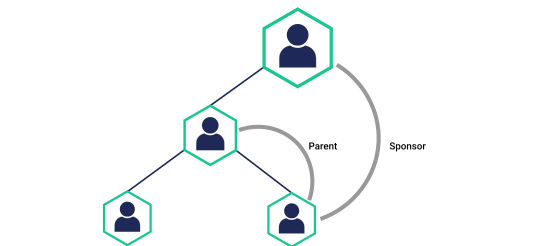
In scenarios where X recruits both A and Y, and Y is placed on A's right side, later recruits from A are placed in the next open matrix position. This can shift support flow across levels and affects how commissions and advancement are distributed.
Understanding Matrix Spillover Variations

Power Leg Spillover
Matrix PlanOccurs when an upline places new recruits continuously on one leg (usually the stronger side), creating overflow volume for downlines. This pattern is common in matrix-style structures and benefits members in the same branch.
Parallel Spillover
Matrix PlanBalanced placement of recruits on both left and right sides of the matrix. This approach helps maintain structural symmetry and supports more stable earnings across the team.
Weak Leg Spillover
Matrix PlanThis type of spillover not only strengthens the overall network but also helps downline members by increasing volume on their less active leg. As a result, it enables them to qualify for commissions more consistently, accelerates rank advancement, and promotes a healthier, more stable binary system.
Forced Spillover
Matrix PlanThis supports downlines by automatically adding new members under them.
Cross-Line Spillover
Matrix PlanRecruits are placed into different branches of the network that are not directly connected to the sponsor. Common in matrix or unilevel plans, it can support team-wide growth.
Strategic Spillover
Matrix PlanPlanned placement of recruits to help specific team members qualify for ranks or bonuses. Used by experienced leaders to strengthen weak spots or unlock group incentives.
Matrix Calculator: Built to Automate Payout Planning
The Matrix Calculator offers an Automated Commission Calculation Tool that computes earnings automatically based on the matrix structure. It provides Downline Performance Tracking to monitor team sales and progress within matrix levels, along with Accurate Bonus Projections that calculate potential bonuses for rank and level advancement. The tool also supports Recruitment Planning, helping distributors forecast earnings from new recruits, and ensures Transparent Income Reporting.
Matrix MLM demo
Build structured growth with Matrix MLM software
Forced matrix width/depth, spillover automation, genealogy mapping, and level bonuses - get matrix MLM software matched to your payout model.
- Forced matrix structure walkthrough
- Spillover automation setup
- Level bonus projections
Request a free consultation
Share your Direct Selling requirements - our team will suggest the right plan setup.